
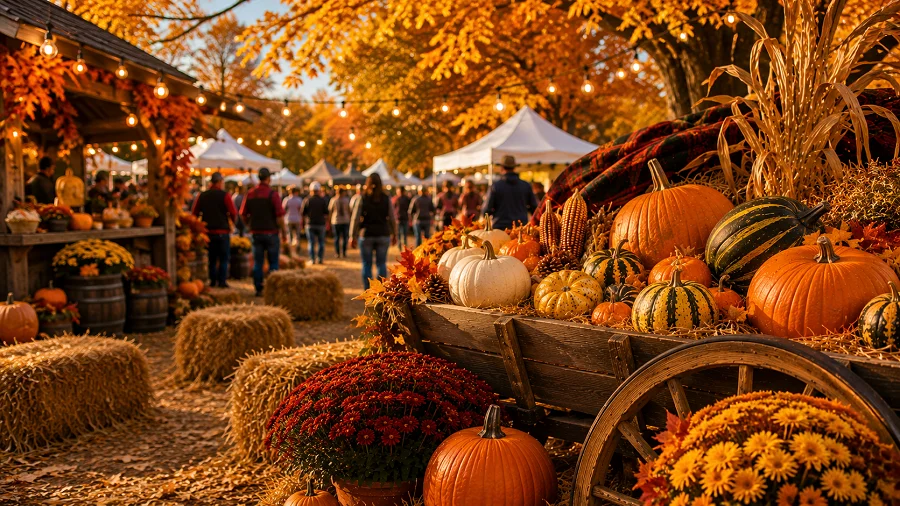
Pumpkin festivals capture something universal about autumn: the impulse to gather, celebrate abundance and mark the turning of the season with food, community and a bit of organised fun. What is genuinely fascinating is how many cultures around the world build a very specific element into their own harvest celebrations, games of chance. From card games tied to Diwali in India to mahjong tables at Chinese Mid-Autumn gatherings and traditional wagering games at European harvest fairs, the pairing of seasonal abundance with a friendly flutter turns out to be a remarkably consistent thread across otherwise very different cultures. This article explores how various harvest and autumn traditions worldwide incorporate games of chance into their celebrations.
Why harvest and games of chance go together so often
Harvest festivals mark a moment of genuine abundance, when a community’s hard work through the growing season finally pays off, and this abundance has historically created the right conditions for celebration and shared risk-taking. Researchers studying cultural gambling traditions note that European harvest festivals historically featured various gaming activities specifically celebrating community abundance, offering structured ways to enjoy seasonal surplus through communal activities that benefited entire villages rather than isolated individuals. A good harvest meant there was, for once, a little extra to wager without genuine hardship if luck did not go your way, which made the harvest season a natural moment for exactly this kind of light-hearted risk.
Diwali: cards, dice and the goddess of fortune
India’s Diwali festival, celebrated in autumn each year, features one of the most well-documented and widely practised gambling traditions tied to any harvest-season celebration in the world. Families across India traditionally gather to play card games, most commonly teen patti, alongside other games involving dice, during the Diwali period. The custom is closely tied to the worship of Lakshmi, the goddess of wealth and prosperity, and playing at Diwali is traditionally believed to invite good fortune for the coming year, with the stakes involved usually kept modest and symbolic among family and friends rather than treated as serious gambling.
China’s Mid-Autumn Festival and the enduring popularity of mahjong
China’s Mid-Autumn Festival, one of the most significant harvest celebrations in East Asia, traditionally brings extended families together to share mooncakes and admire the full autumn moon. Mahjong, the tile-based game combining genuine skill with an element of chance, holds deep cultural significance during precisely these kinds of family festival gatherings, and its role goes well beyond simple entertainment. Playing mahjong at family gatherings reinforces family ties, expresses beliefs about luck, and continues a tradition passed down through generations, making it as much a ritual of togetherness as it is a game.
European harvest fairs and traditional wagering games
Across Europe, historical harvest festivals commonly featured gaming booths and wagering activities as part of the wider fair, alongside feasting, dancing and music. These activities served a genuine social function within village life, strengthening community bonds while providing a structured, communally accepted outlet for the kind of light competitive risk-taking that harvest abundance made possible. Unlike purely individual gambling, these traditional European games tended to emphasise shared community benefit over individual gain, reflecting local values that prioritised collective celebration rather than solitary risk.
Indigenous harvest traditions and games of chance as ritual
Many Indigenous cultures around the world developed sophisticated gaming traditions specifically tied to harvest festivals, rites of passage and other significant seasonal events. For numerous Indigenous communities, these games carried genuine ritual significance beyond simple entertainment, sometimes connected to the appeasement of deities or the marking of the agricultural calendar’s most important turning points. Today, various communities host cultural festivals specifically to keep these traditional games alive, allowing younger generations to experience heritage practices that connect directly to their ancestors’ relationship with the harvest.
Oceania’s harvest celebrations and games
The Pacific region offers its own distinctive take on harvest tradition. Hawaii’s Makahiki festival, honouring Lono, the god of agriculture, rain and fertility, historically combined offerings of food with athletic games and contests, while ordinary warfare was formally suspended so communities could focus entirely on renewal and thanksgiving. Papua New Guinea’s Goroka Show similarly blends traditional harvest celebration with broader cultural exchange, showing how games and friendly competition remain a consistent feature of harvest-season gathering across vastly different island cultures.
From village fair to modern celebration
What connects all these traditions, whether a family card game at Diwali, a mahjong table at Mid-Autumn Festival, or a wagering booth at a European harvest fair, is the same underlying idea: harvest season is a moment for communities to come together, share in seasonal abundance, and enjoy a bit of friendly risk within a socially sanctioned, celebratory context. This same spirit runs through modern pumpkin festivals too, and anyone planning their own celebration might explore cooking with pumpkins for inspiration, bringing the same communal, food-centred spirit that has defined harvest gatherings across cultures for centuries.
How modern online gaming fits into autumn celebrations
The tradition of pairing seasonal celebration with games of chance has found a natural home in modern digital form too. Just as families historically gathered around a card table during harvest festivities, many people now enjoy a relaxed evening of online casino gaming as part of their own autumn celebrations, whether that follows a day at a pumpkin festival or simply marks the changing season with friends. Sankra casino offers exactly this kind of accessible, modern equivalent to the card tables and dice games that have accompanied harvest celebrations across cultures for generations, bringing the same spirit of light, sociable risk-taking into a digital setting.
Respecting the cultural weight behind these traditions
It is worth appreciating that many of these harvest gambling traditions carry genuine cultural and spiritual significance that goes well beyond casual entertainment. Diwali card games are tied to specific religious beliefs about fortune and the blessing of Lakshmi, while Indigenous gaming traditions often hold ritual meaning connected to community identity and generational continuity. Enjoying modern casino gaming as part of your own autumn celebrations is a genuinely different, secular activity, and it is worth recognising that distinction rather than assuming all games of chance carry equivalent cultural weight.
Responsible celebration, wherever the tradition comes from
Whether your autumn celebration draws on family card games, a harvest fair tradition, or a modern online casino evening, the same sensible approach applies. Set a clear, modest budget before you begin, treat the activity as a form of communal celebration rather than a serious financial pursuit, and stop once your planned budget is spent regardless of how the session has gone.
If gaming ever starts to affect your wellbeing or feels harder to control than intended, free and confidential support is available. Aware offers support for anyone in Ireland dealing with stress, anxiety or low mood connected to difficult habits or circumstances.
Conclusion
From Diwali card games played in honour of the goddess of fortune to mahjong tables at Chinese Mid-Autumn gatherings and the wagering booths of historical European harvest fairs, cultures around the world have consistently paired seasonal abundance with a bit of friendly, communal risk-taking. This enduring connection between harvest celebration and games of chance reveals something genuinely universal about how humans mark the turning of the seasons, gathering together to share in abundance while embracing a little shared luck along the way.